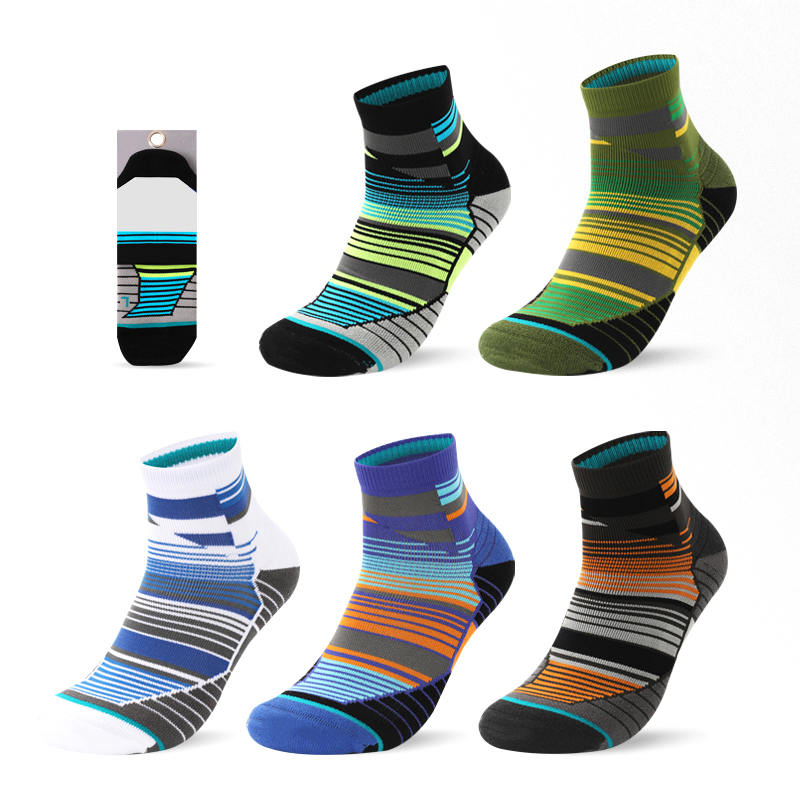
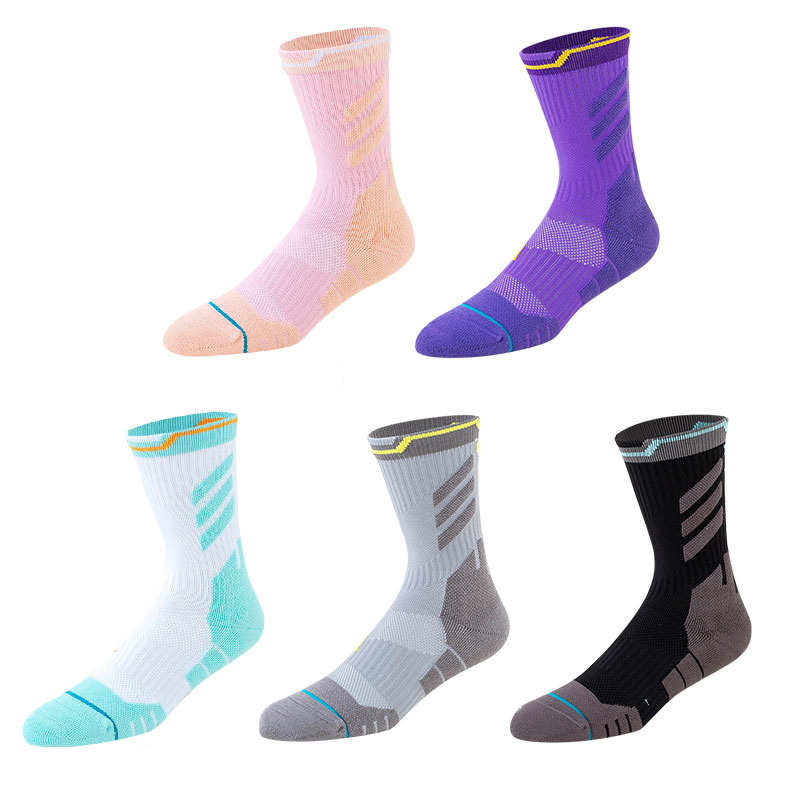
Selama pendakian intensitas tinggi, lari lintas alam, atau trekking jarak jauh, kaki menghadapi gesekan terus-menerus, akumulasi kelembapan, dan benturan frekuensi tinggi. Banyak penggemar alam luar yang cenderung menghabiskan anggarannya untuk sepatu hiking dan mengabaikan lapisan tekstil yang bersentuhan langsung dengan kulit. Faktanya, sepasang profesional Kaus Kaki Olahraga Luar Ruangan Memainkan peran dukungan teknis yang tak tergantikan dalam menjaga keseimbangan iklim mikro kaki, mencegah lecet, dan mengurangi tekanan pada telapak kaki.
Kontrol Kelembaban dan Sifat Fisik Analisis Serat
Di lingkungan luar ruangan yang kompleks, kekurangan bahan kapas murni terlihat jelas: serat kapas memiliki daya serap air yang kuat, tetapi kecepatan dehidrasinya sangat lambat. Kaus kaki katun yang dibasahi keringat melembutkan stratum korneum kulit, sehingga sangat rentan melepuh akibat gesekan terus menerus. Oleh karena itu, Kaus Kaki Olahraga Luar Ruangan tingkat tinggi harus mengandalkan perpaduan ilmiah antara serat termoregulasi alami dan serat sintetis berteknologi tinggi.
Lapisan Pengontrol Suhu Alami: Kaus Kaki Olahraga Luar Ruangan Premium biasanya menggunakan wol Merino sebagai bahan baku intinya. Permukaan serat ini secara alami dilapisi dengan lapisan lanolin, yang memberikan hidrofobisitas yang sangat baik, sedangkan korteks bagian dalam serat dapat menyerap kelembapan setara dengan 30% dari beratnya sendiri dan menguncinya, menjaga permukaan kulit kaki tetap kering setiap saat.
Ketahanan Aus Kekuatan Tinggi dan Kerangka Elastis: Daya tahan serat alami saja tidak dapat memenuhi persyaratan olahraga multi-medan luar ruangan. Dengan menyematkan serat nilon, masa pakai ketahanan aus pada bagian jari kaki dan tumit dapat ditingkatkan beberapa kali lipat. Penambahan spandeks (Lycra) memberikan Kaus Kaki Olahraga Luar Ruangan dengan pemanjangan horizontal dan vertikal yang sangat baik, memastikan pas di kaki bahkan setelah dicuci berulang kali, mencegah abrasi kulit yang disebabkan oleh lipatan dan kerutan yang longgar.
Desain Struktur Inti dan Mekanisme Perlindungan
Sepasang Kaus Kaki Olahraga Luar Ruangan yang berkualitas bukan hanya sekedar tekstil, namun solusi perlindungan kaki yang dirancang melalui ergonomi.
Sistem Pendukung Lengkungan Melingkar
Melalui tenun elastis berdensitas tinggi, pita pengencang melingkar ke dalam dibentuk di area lengkungan. Desain ini memberikan dukungan fisik pada plantar fascia, mengurangi keruntuhan lengkungan dan kelelahan yang disebabkan oleh berjalan dengan beban dalam jangka waktu lama.
Teknologi Jari Kaki Mulus Berkontur
Sambungan jari kaki pada kaus kaki tradisional memiliki garis jahitan yang menonjol, yang merupakan penyebab utama kemerahan dan memar pada jari kaki saat turun jarak jauh. Kaus Kaki Olahraga Luar Ruangan Profesional menggunakan perulangan mulus yang dihubungkan dengan tangan atau tenun berkontur mulus terintegrasi, membuat bagian dalam jari kaki benar-benar rata dan menghilangkan sumber gesekan dari akar.
Distribusi Tekanan Progresif
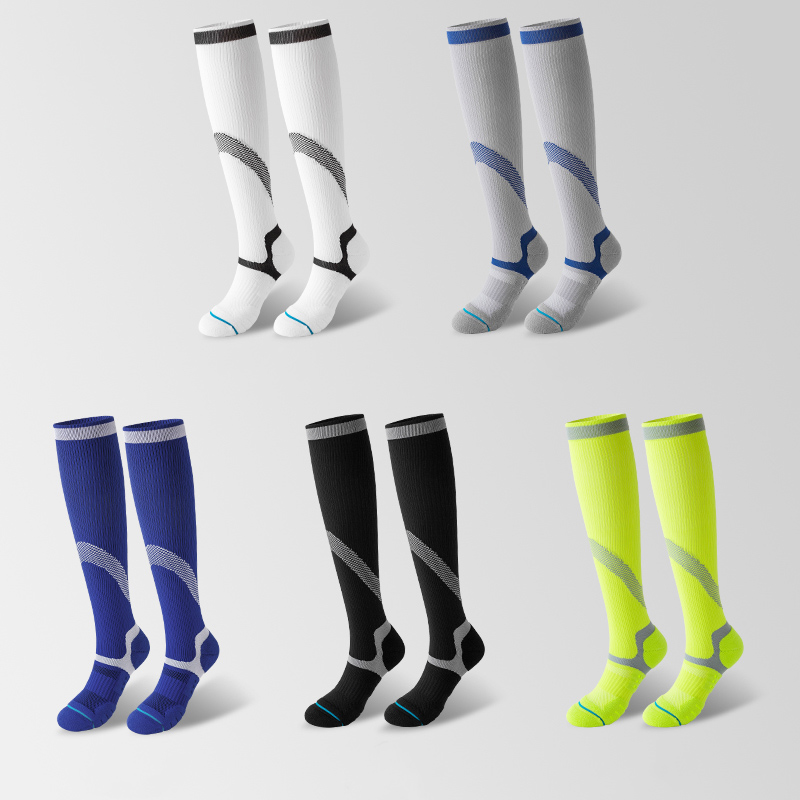
Desain kompresi bertingkat diterapkan pada bagian pergelangan kaki dan betis, yang membantu aliran darah kembali dan mengurangi rasa bengkak pada kaki setelah latihan beban tinggi dalam waktu lama.
Perbandingan Parameter Teknis di Berbagai Lingkungan Olahraga
Untuk medan, iklim, dan persyaratan menahan beban yang berbeda, alokasi parameter teknis Kaus Kaki Olahraga Luar Ruangan memiliki perbedaan yang ketat. Berikut ini adalah tiga rencana konfigurasi parameter teknis yang sangat bertarget:
| Indikator Teknis | Lari Lintas Alam Ringan / Kering Cepat Musim Panas | Backpacking Berat Kelas Menengah / Universal Empat Musim | Pendakian Gunung Dingin Ekstrim / Termal Ketebalan Tinggi |
| Kandungan Wol Merino | 30% - 40% (Fokus pada bahan yang ringan dan menyerap kelembapan) | 55% - 65% (Menyeimbangkan termoregulasi dan bantalan) | 75% - 85% (Retensi panas tinggi mengunci suhu tubuh) |
| Rasio Nilon / Poliester | 50% - 55% | 25% - 35% | 12% - 18% |
| Rasio Spandex (Serat Elastis). | 5% - 10% | 5% - 8% | 3% - 5% |
| Ketebalan Bantalan | Ultra-Ringan (Hanya titik dampak frekuensi tinggi pada sol) | Sedang (Bantalan sol dan tumit penuh) | Berat (Bantalan multi arah seluruh badan kaus kaki) |
| Referensi Berat Kain | 45g - 65g / Pasang | 80g - 110g / Pasang | 140g - 180g / Pasang |
| Distribusi Mesh Bernapas | Jaring berongga heksagonal area besar di punggung kaki | Alur pemandu udara bergaris di punggung kaki | Tertutup rapat tanpa jaring, fokus pada penguncian panas udara |
Panduan Umur Panjang Pemeliharaan dan Kinerja
Untuk memastikan serat kaus kaki olahraga luar ruangan berkinerja tinggi tidak rusak sebelum waktunya akibat pencucian setiap hari, metode perawatan yang benar sangatlah penting.
Saat mencuci, Kaus Kaki Olahraga Luar Ruangan harus dibalik, yang membantu menghilangkan sel kulit mati dan kristal garam yang terperangkap di dalam simpul terry secara menyeluruh. Disarankan untuk menggunakan air hangat atau dingin di bawah 30 derajat Celcius dengan deterjen ringan untuk mencuci mesin atau mencuci tangan dengan lembut. Pelembut kain harus dilarang keras, karena komponen minyak silikon dalam pelembut melapisi permukaan serat sintetis, menghalangi pori-pori mikro dan menyebabkan penyerapan kelembapan dan kinerja kain yang menyerap keringat tidak berfungsi sepenuhnya. Setelah pencucian selesai, pakaian harus dibaringkan hingga kering secara alami. Jangan pernah mengeringkan dengan mesin bersuhu tinggi atau menggunakan setrika listrik, hal ini akan mencegah serat elastis mengalami degradasi termal akibat panas tinggi, yang menyebabkan kaus kaki kehilangan daya pembungkus aslinya.



 Bahasa